 +91 70444 97936
 Open Hours: Mon - Fri ( 09:00 am - 05:00 pm )
We are on:
.png)
.png)
.png)
+91 70444 97936
Open Hours: Mon - Fri ( 09:00 am - 05:00 pm )
 2026-05-14 04:04:37
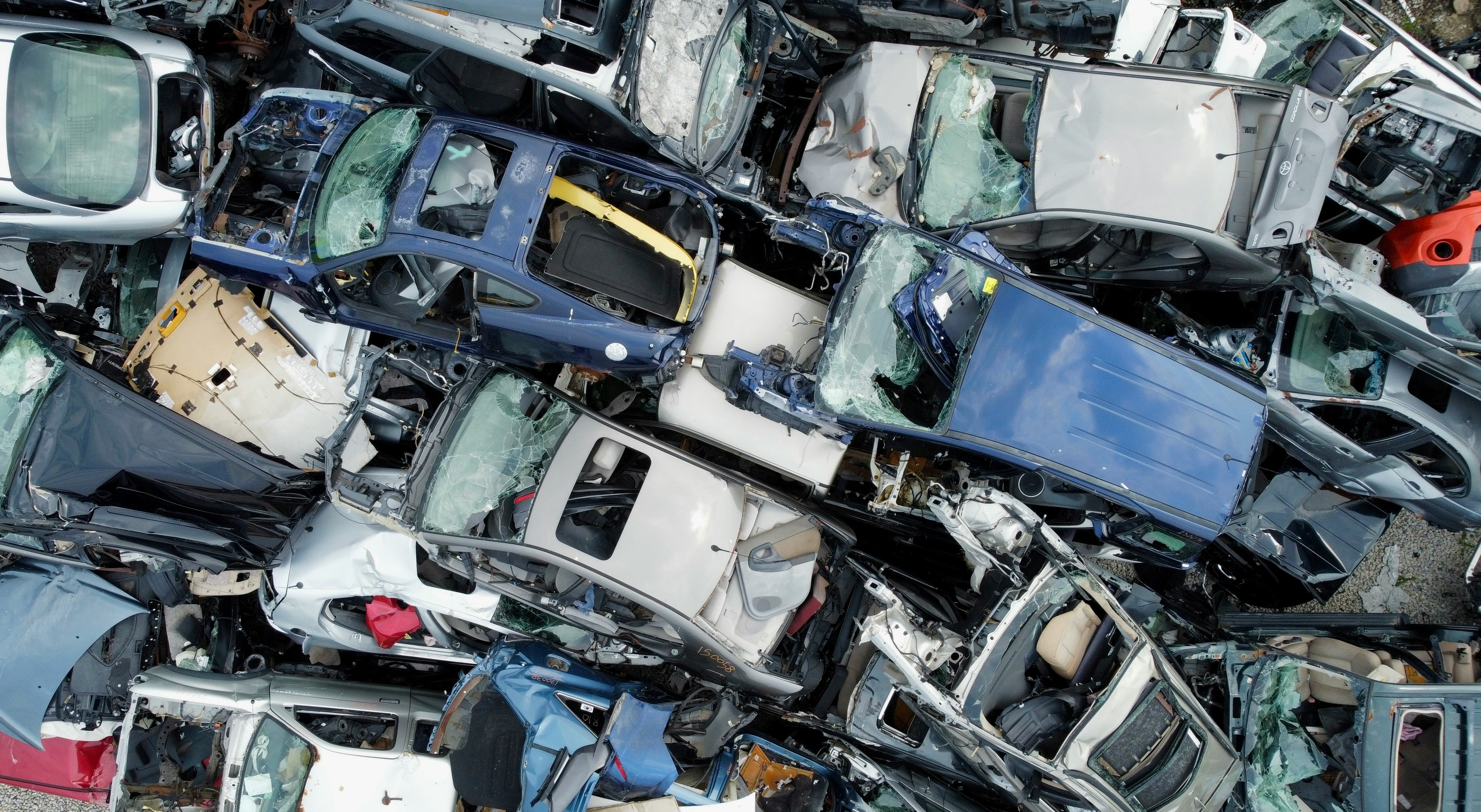
When you hand over your old car for scrapping, you might wonder, "What happens next?" Does it simply get crushed into a pile of metal, or is there a more meaningful process behind it? The answer may surprise you.
At an authorized vehicle scrapping facility, every vehicle follows a carefully planned journey. From safe dismantling to recycling valuable materials, each step is designed to protect the environment, recover usable resources, and ensure your vehicle is disposed of responsibly.
Let's take a closer look at what really happens after you scrap your car.
The process begins with a thorough inspection of the vehicle. The ownership documents are verified, and the necessary paperwork is completed in accordance with government regulations. This ensures that the scrapping process is transparent, legally compliant, and hassle-free for the vehicle owner.
Before the vehicle is dismantled, all hazardous materials are carefully removed to prevent environmental contamination. This includes:
Proper disposal of these materials prevents harmful chemicals from polluting the soil, water, and air, making depollution one of the most important stages of vehicle recycling.
Once the vehicle is safe to handle, trained professionals begin dismantling it. Many components still have value and can be recovered, inspected, and reused where appropriate. These may include:
Recovering reusable parts helps reduce waste, lowers the demand for manufacturing new components, and supports a more sustainable automotive industry.
After reusable parts are removed, the remaining vehicle body is processed for recycling. Different materials are separated, including:
The metal is then sent for recycling, where it is melted and transformed into raw material for manufacturing new vehicles, construction materials, machinery, and many other products. Modern recycling methods allow a significant portion of a vehicle's materials to be recovered, reducing the need to extract new natural resources and lowering energy consumption.
Not every component can be reused or recycled. Items that have reached the end of their life are disposed of using environmentally approved methods. Authorised scrapping facilities follow strict environmental guidelines to ensure waste is managed safely and responsibly.
Choosing an authorized Registered Vehicle Scrapping Facility (RVSF) is about more than getting rid of an old vehicle—it's about ensuring the entire process is safe, legal, and environmentally responsible. When you choose an authorized facility, you benefit from:
Your old vehicle doesn't become waste—it becomes a valuable source of reusable materials that contribute to a circular economy.
Vehicle recycling plays a vital role in conserving natural resources. By recovering metals and reusable components, authorised scrapping facilities help:
Every responsibly scrapped vehicle contributes to a cleaner environment and a greener future.
At Selladale, we believe every end-of-life vehicle deserves a responsible farewell.
As an authorized vehicle scrapping facility, we follow industry best practices to ensure every vehicle is dismantled safely, recycled responsibly, and processed with complete transparency. From documentation to depollution and recycling, our experienced team handles every step with professionalism and care, making the entire experience simple and stress-free for vehicle owners.
When you choose Selladale, you're not just scrapping an old car—you're contributing to a cleaner environment and supporting sustainable vehicle recycling in India.
The timeline depends on documentation and inspection, but authorised facilities are equipped to complete the process efficiently while following all regulatory requirements.
Yes. Components that remain in good condition may be recovered and reused after proper inspection.
Absolutely. Safe depollution, responsible dismantling, and material recycling significantly reduce waste and environmental pollution.
Authorized facilities follow government guidelines, ensure legal compliance, protect the environment, and provide a transparent and secure scrapping process.
Your vehicle's journey doesn't end when it leaves your driveway—it begins a new chapter.
Through responsible vehicle scrapping and recycling, valuable materials are given a second life, harmful waste is safely managed, and natural resources are conserved for future generations.
If your vehicle has reached the end of its road, let Selladale help you give it a meaningful new beginning. Contact us today to experience a safe, transparent, and environmentally responsible vehicle scrapping process.

When is the Right Time to Scrap Your Old Car?
Eco-Friendly Car Scrapping: How It Helps the Environment

Top Benefits of Scrapping Your Vehicle Instead of Selling It
How Car Scrapping Works: Step-by-Step Guide for Vehicle Owners